2. Advantages of LED Displays for Digital Signage
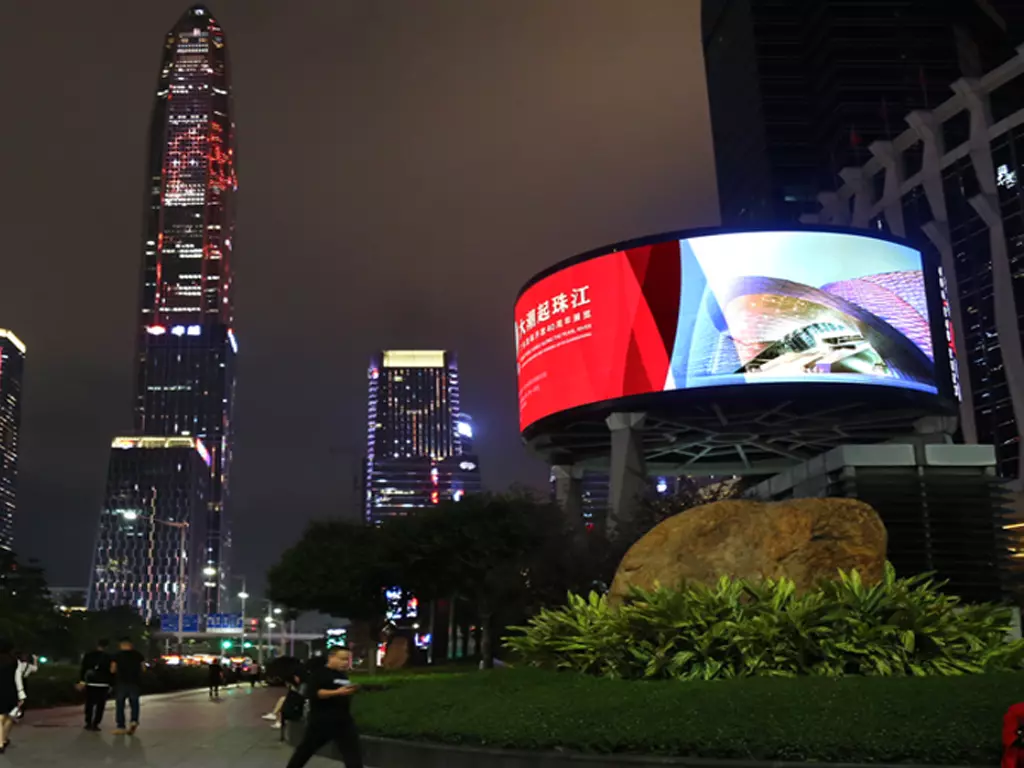
- Brightness and Visibility: LED displays are known for their high brightness levels, ensuring clear visibility even in brightly lit environments or outdoors under direct sunlight.
- Energy Efficiency: Modern LED displays consume less power than traditional displays, making them more energy-efficient and cost-effective for continuous operation.
- Durability and Longevity: LEDs have a longer lifespan than other display technologies, making them suitable for long-term use in digital signage applications.
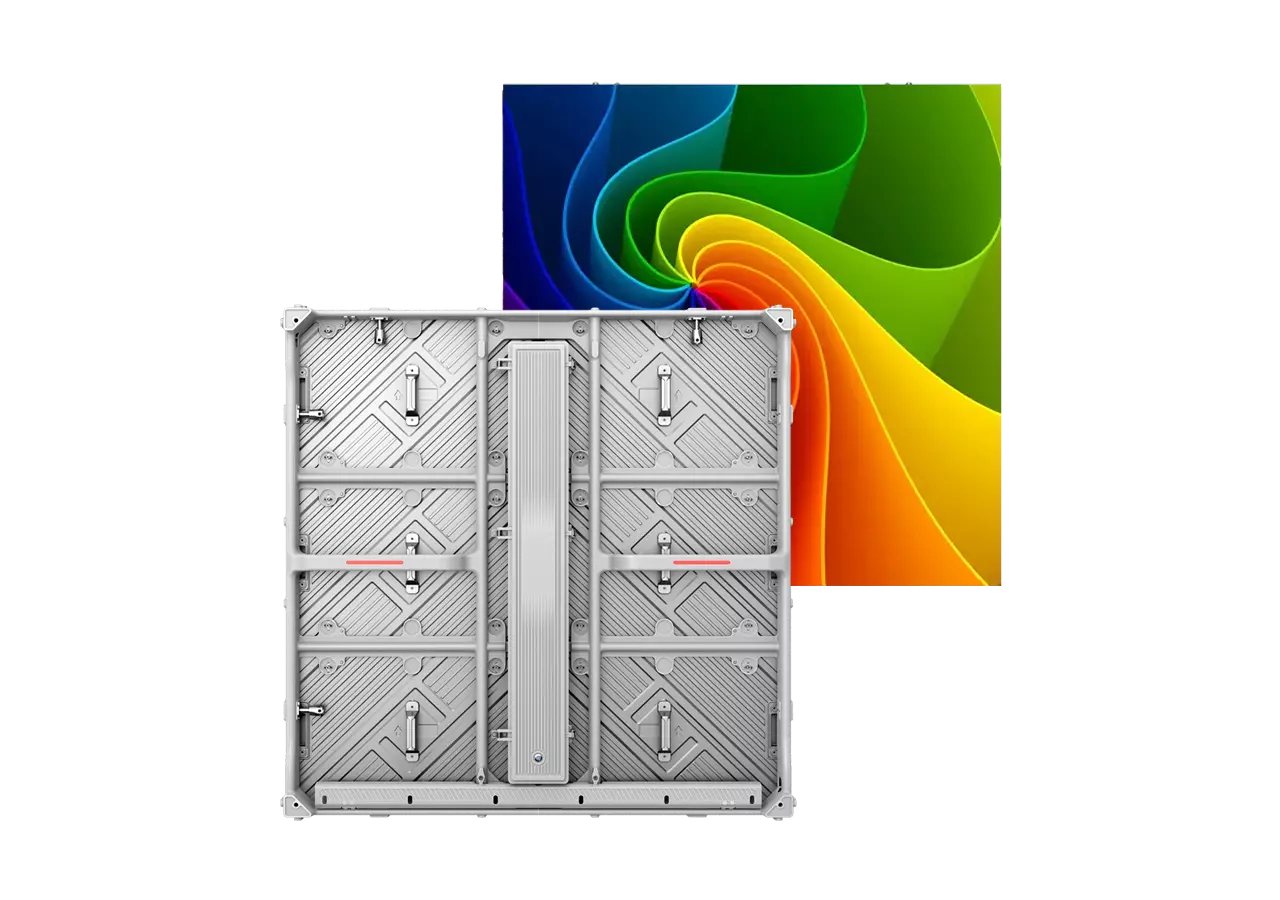
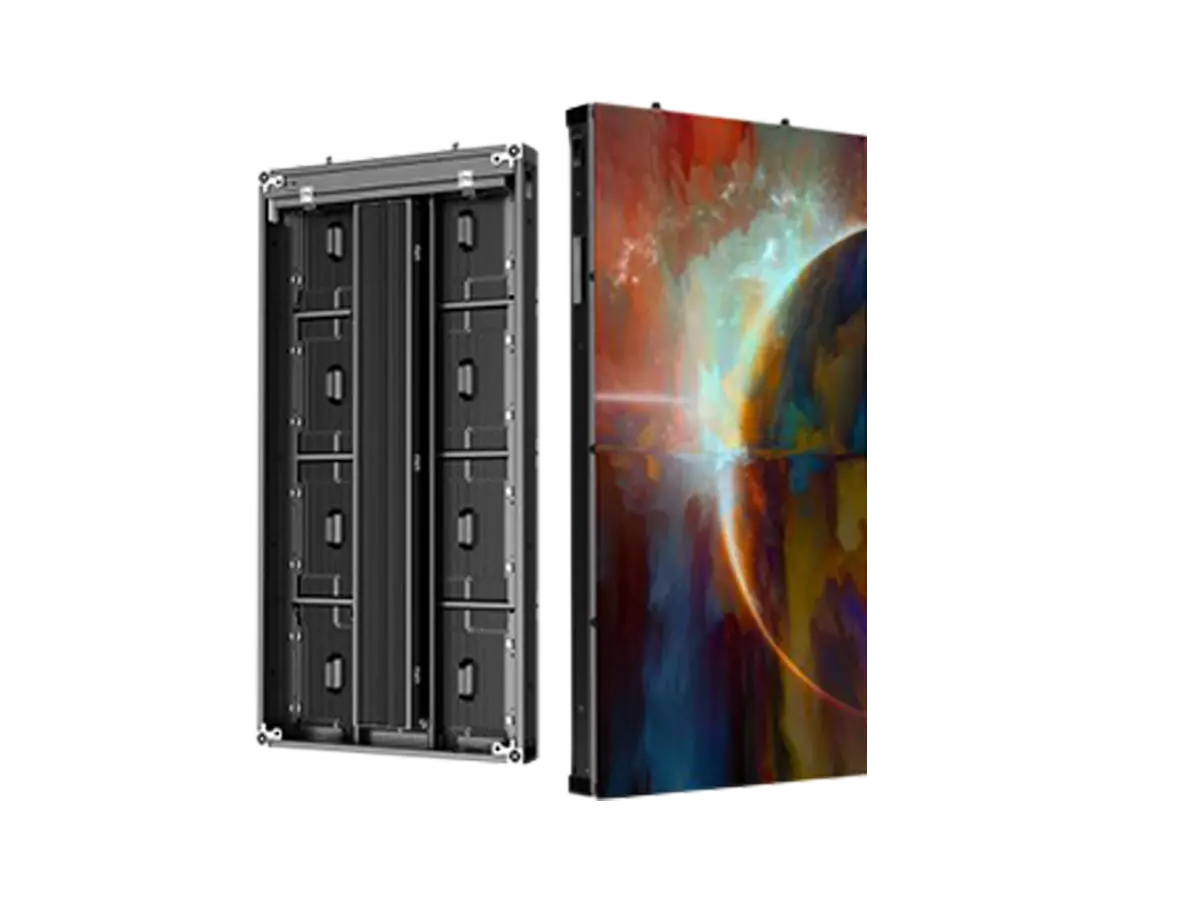
- Customization: LED panels can be customized to fit various sizes and shapes, allowing businesses to create unique, eye-catching displays tailored to their specific needs.
- Seamless Viewing: Unlike LCD video walls, LED displays do not have bezels, providing a seamless, uninterrupted viewing experience, which is particularly important for large-scale digital signage.
3. Key Considerations for LED Digital Signage
- Pixel Pitch: Pixel pitch refers to the distance between individual pixels on the LED display. A smaller pixel pitch (e.g., 1.5mm to 3mm) provides higher resolution and is better for closer viewing distances. A larger pixel pitch (e.g., 4mm to 10mm) is sufficient for displays that will be viewed from farther away.
- Content Management System (CMS): Choose a CMS that allows you to easily manage, schedule, and update content on your LED displays. Cloud-based CMS solutions provide remote access, which is essential for managing multiple locations.
- Connectivity: Ensure that the display supports various input sources, such as HDMI, DVI, or wireless connections. Integration with existing systems (e.g., POS systems for retail) might also be necessary.
- Mounting and Installation: Consider the placement of the LED display. Wall-mounted, ceiling-hung, or freestanding LED displays require different installation techniques, and it's important to ensure structural stability.
- Power and Cooling: LED displays can consume significant amounts of power, especially for larger installations. Ensure your space has the necessary electrical infrastructure, and consider cooling solutions if the display generates excess heat.
4. Applications of LED Displays in Digital Signage
- Retail Stores: LED displays can be used for promotions, showcasing new products, or creating dynamic window displays that attract customers.
- Corporate Offices: LED digital signage in lobbies or conference rooms can display welcome messages, corporate branding, or event information.
- Transportation Hubs: Airports, train stations, and bus terminals use LED displays for arrival and departure information, advertisements, and wayfinding.
- Quick Service Restaurants (QSRs): LED menu boards allow for dynamic, easy-to-update displays of menus, daily specials, or promotional offers.
- Event Venues and Stadiums: Large LED displays provide live feeds, score updates, and advertising, enhancing the fan experience.
- Hospitals and Healthcare Facilities: Digital signage can be used for wayfinding, patient information, or health advisories.
5. Content Strategies for LED Digital Signage
- Dynamic and Engaging: LED displays excel at showing dynamic content, such as video, animation, and live feeds. Use this capability to create engaging and visually appealing content.
- Real-Time Updates: Digital signage allows for real-time content updates, making it perfect for time-sensitive information, such as event schedules, promotions, or alerts.
- Interactivity: Consider adding interactive elements, such as touchscreens, QR codes, or motion sensors, to engage users and provide a more personalized experience.
- Brand Consistency: Ensure that the content displayed is aligned with your brand's messaging and visual identity, creating a cohesive experience across all digital touchpoints.
6. Future Trends in LED Digital Signage
- AI and Data-Driven Content: Integrating AI into digital signage allows for data-driven content, such as personalized ads based on customer demographics or real-time weather-based promotions.
- 3D and Holographic Content: Some cutting-edge LED displays now support 3D or holographic visuals, creating stunning, attention-grabbing content that stands out in busy environments.
- Sustainability and Eco-Friendly Solutions: Many companies are opting for energy-efficient LED displays and sustainable content strategies, reducing both energy consumption and their environmental impact.
- Integration with IoT: The Internet of Things (IoT) is allowing LED digital signage to integrate with other smart devices, creating responsive, real-time content tailored to current conditions, like adjusting messages based on crowd density or temperature.
Conclusion
LED displays for digital signage offer a versatile and impactful solution for various industries. Their brightness, durability, and ability to display dynamic content make them ideal for retail, hospitality, corporate environments, and beyond. By carefully considering factors such as pixel pitch, content management, and installation, businesses can create powerful digital signage solutions that effectively engage and inform their audiences.