


LED Display For Stadium
LED Display For Stadium
LED displays in stadiums have become essential for enhancing the fan experience, providing real-time information, and generating advertising revenue. Stadium LED displays are designed to deliver high-impact visuals across large spaces, ensuring that every seat in the venue has a clear view. Here's a comprehensive guide to using LED displays for stadiums:
1. Types of LED Displays for Stadiums
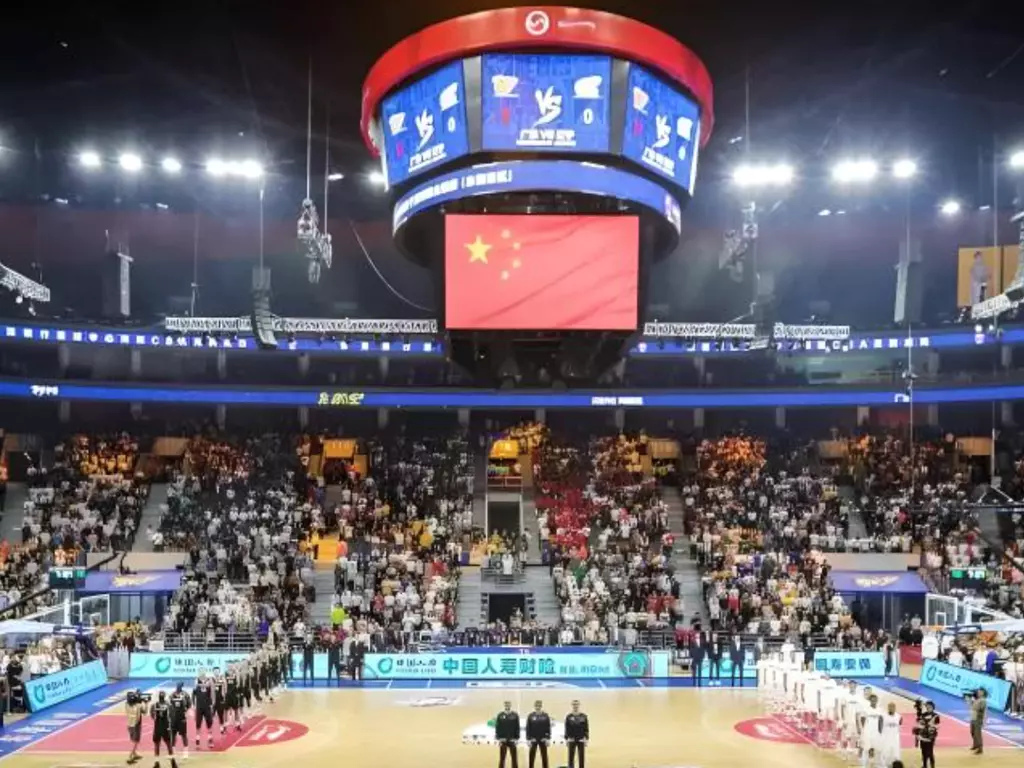
- Scoreboards and Jumbotrons: These massive LED screens are the centerpiece of any stadium, showing live game action, replays, scores, and statistics. Jumbotrons are usually located in prominent positions to ensure visibility from all areas of the stadium.
- Perimeter LED Displays: These are the long, horizontal LED screens that wrap around the field or court. They are commonly used for advertising and can also display game information or safety announcements.
- Ribbon Displays: Ribbon LED displays are narrow screens that often wrap around the interior of the stadium, such as on the façade of the upper levels. They are used for continuous advertising, game updates, or to enhance the atmosphere with dynamic graphics.
- Entrance Displays: LED displays placed at stadium entrances greet fans with welcome messages, event information, and sponsor ads. These displays help set the tone before fans even reach their seats.
- Concourse Displays: Throughout the stadium’s concourse areas, smaller LED screens provide fans with information, advertising, or live feeds from the game so they don’t miss the action while away from their seats.
- Interactive LED Displays: Touch-enabled LED screens can be installed in fan zones or VIP areas, allowing for interactive experiences, such as games, surveys, or social media integration.
2. Key Benefits of LED Displays in Stadiums
- Enhanced Fan Experience: LED displays keep fans engaged by showing live game footage, instant replays, player stats, and interactive content. High-definition visuals create an immersive experience, making fans feel closer to the action.
- Revenue Generation: LED displays offer valuable advertising space. Brands can showcase dynamic ads throughout the event, targeting a captive audience. Perimeter and ribbon displays are particularly popular for advertisers.
- Real-Time Information: Stadium LED displays are essential for delivering up-to-date information, such as scores, time remaining, and player stats. This ensures fans stay informed throughout the event.
- Event Flexibility: LED displays can be quickly adapted to different events, from sports games to concerts and other live performances. The content can be customized to suit the specific event, providing a versatile solution for multi-purpose stadiums.
3. Technical Specifications for Stadium LED Displays
- Pixel Pitch: For large displays like scoreboards or Jumbotrons, pixel pitch is typically in the range of 8mm to 16mm. This provides a balance between resolution and cost, ensuring clear visuals from various viewing distances. For perimeter displays, a pixel pitch of 10mm to 20mm is common, as these screens are typically viewed from farther away.
- Brightness: Stadium LED displays need to be extremely bright, especially for outdoor venues where sunlight can wash out the screen. Brightness levels of 5,000 to 8,000 nits ensure visibility even in direct sunlight.
- Weatherproofing: Outdoor stadiums require LED displays that are weather-resistant. These displays should have an IP rating of 65 or higher to protect against dust, rain, and other environmental factors.
- Durability: Stadium displays must be robust to withstand the elements, including temperature fluctuations, humidity, and potential impacts. The displays should be built with high-quality materials to ensure long-term performance and reliability.
- Wide Viewing Angles: LED displays in stadiums need to be visible from all angles, ensuring fans seated in different sections can see the content clearly. Wide horizontal and vertical viewing angles are crucial for large venues.
4. Applications of LED Displays in Stadiums
- Live Game Action: LED displays, particularly Jumbotrons, show live game footage, instant replays, and highlights. This keeps fans engaged and adds excitement to the game.
- Scoreboards and Game Data: LED scoreboards provide real-time information, including scores, time remaining, and player statistics, ensuring that fans stay informed throughout the game.
- Advertising and Sponsorship: Perimeter and ribbon displays are prime real estate for advertisers. Brands can display dynamic content, including animations, videos, and real-time messaging, making it more engaging than static ads.
- Fan Engagement: Interactive LED displays allow fans to participate in games, polls, or social media challenges, enhancing the overall experience. Fans can also see their own content, such as tweets or photos, displayed on the big screen, creating a more personalized experience.
- Crowd Interaction: LED displays can be used to pump up the crowd with dynamic graphics, music, and animations, especially during crucial moments in the game. "Kiss cams," "dance cams," and other crowd-focused features are popular for creating memorable fan experiences.
- Safety and Announcements: LED displays are also essential for communicating important safety information, emergency alerts, or event updates. Their high visibility ensures that messages reach the entire stadium.
5. Considerations for Stadium LED Display Installation
- Location and Size: Choose strategic locations for LED displays that maximize visibility for all fans. The size of the display should be proportional to the size of the stadium, ensuring that it is large enough to be seen from all seating areas.
- Power Supply and Infrastructure: Stadium LED displays require significant power, so the venue’s electrical infrastructure needs to be robust enough to support multiple large displays simultaneously. Backup power supplies are essential to prevent interruptions.
- Control Systems: A centralized control system is necessary to manage the content displayed on the various LED screens throughout the stadium. This system should allow for real-time updates, content synchronization, and seamless transitions between different types of content.
- Maintenance: Regular maintenance is crucial to keep LED displays operating at their best. This includes cleaning the screens, checking for dead pixels, and ensuring all components are functioning properly. Remote monitoring systems can help detect issues early and minimize downtime.
6. Content Strategy for Stadium LED Displays
- Dynamic and Engaging: Use the full potential of LED displays by incorporating dynamic content like videos, animations, and real-time graphics. This keeps fans engaged and makes the content more memorable.
- Real-Time Updates: Ensure that the displays are synced with live game action, providing real-time updates on scores, stats, and game developments. This is especially important for sports events, where fans expect up-to-the-minute information.
- Advertising Rotation: Rotate ads frequently to maximize the number of sponsors showcased during an event. Consider segmenting ad rotations by time of day, game progress, or fan engagement to keep the content fresh and relevant.
- Interactive Elements: Use interactive content, such as polls, contests, or social media integration, to increase fan participation and engagement. This can also be a valuable tool for sponsors looking to connect with the audience on a deeper level.
7. Cost and ROI
- Initial Investment: Stadium LED displays represent a significant upfront investment, but their impact on fan experience and advertising revenue makes them worthwhile. Costs vary based on the size, resolution, and complexity of the installation.
- Ongoing Costs: Consider the costs of power, maintenance, and content management when budgeting for stadium LED displays. However, these costs are often offset by advertising revenue and increased fan engagement.
- Revenue Opportunities: LED displays in stadiums open up numerous revenue streams, from sponsorship deals to advertising sales. The ability to show dynamic content allows for premium ad pricing, and the versatility of the displays makes them attractive to a wide range of advertisers.
Conclusion
LED displays in stadiums are essential for creating an engaging, informative, and entertaining fan experience. From massive scoreboards to interactive concourse displays, these screens enhance the atmosphere, provide valuable real-time information, and generate significant advertising revenue. By choosing the right displays and implementing a strong content strategy, stadium operators can elevate their events and maximize the value of their LED investments.