


LED Display For Conferen
LED Display For Conferen
LED displays are increasingly used in conferences to create impactful and dynamic presentations. Whether for keynote speeches, breakout sessions, or trade show booths, LED displays enhance the overall experience by delivering crisp, bright visuals that capture and maintain audience attention. Here's a guide to using LED displays for conferences:
1. Types of LED Displays for Conferences
- LED Video Walls: Large-scale video walls are perfect for displaying presentations, videos, and live feeds during keynote sessions. These can be customized to fit any size and are ideal for large audiences.
- Portable LED Screens: Lightweight, portable LED displays are ideal for breakout rooms, workshops, or smaller conference sessions. These screens can be easily moved and set up in different locations.
- Curved or Flexible LED Displays: For an immersive and modern look, curved LED displays can be used to create a panoramic viewing experience. These are often used in larger conference halls or for 360-degree presentations.
- Interactive LED Displays: Touch-enabled LED screens can be used for interactive sessions, allowing attendees to engage directly with the content, whether for demos, workshops, or product showcases.
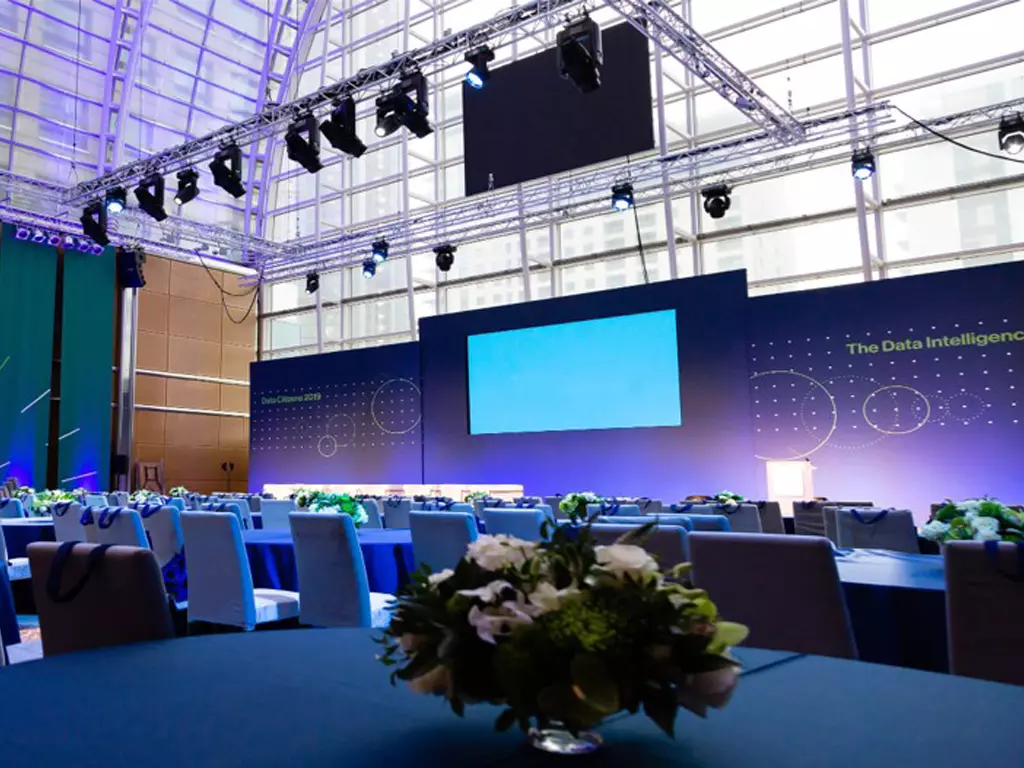
- LED Backdrops: Instead of traditional printed backdrops, LED backdrops can create dynamic backgrounds for speakers, panel discussions, or stage performances, providing a more immersive visual experience.
2. Key Benefits of Using LED Displays for Conferences
- High Brightness and Clarity: LED displays offer superior brightness and color reproduction, making them ideal for conference environments with varying lighting conditions. The high resolution ensures that text, graphics, and videos are clear even from a distance.
- Scalability: LED displays can be customized to fit any stage size or room layout. From small screens for intimate breakout sessions to massive video walls for plenary sessions, LED technology offers unmatched scalability.
- Seamless Viewing Experience: LED panels can be configured to create a seamless display, with no bezels or visible lines, making them perfect for large-scale visuals without distractions.
- Flexibility in Content Display: LED displays can handle a wide range of content, from PowerPoint presentations to high-definition video and live streaming. The ability to switch between different content types quickly is invaluable in fast-paced conference settings.
- Branding and Customization: LED displays can be used to display event branding, sponsor logos, and customized content, enhancing the overall professional look and feel of the conference.
3. Applications of LED Displays in Conferences
- Keynote Presentations: LED video walls are often used for keynote speeches, providing a large, vibrant canvas for presenters to display their slides, videos, and live feeds. This ensures that everyone in the audience, regardless of seating position, can clearly see the content.
- Breakout Sessions: In smaller rooms, portable LED displays can be used to deliver presentations, training sessions, or panel discussions. These displays are easy to set up and provide clear visuals in more intimate settings.
- Exhibitor Booths: LED displays are popular at trade shows or expos, where exhibitors use them to showcase products, run promotional videos, or engage attendees with interactive content.
- Wayfinding and Information: LED displays can be strategically placed throughout the venue to provide attendees with schedules, maps, and other important information, ensuring smooth navigation around the conference.
- Live Streaming and Virtual Events: For hybrid or fully virtual conferences, LED displays can be used to broadcast live feeds or pre-recorded content to remote attendees, ensuring high-quality visual experiences for both in-person and online participants.
4. Considerations for LED Displays in Conferences
- Resolution and Pixel Pitch: For conference settings, a high resolution is crucial, especially for displays that will be viewed up close. A pixel pitch of 2mm to 3mm is ideal for indoor conferences to ensure crisp visuals. For larger displays viewed from a distance, a higher pixel pitch (4mm to 6mm) may be acceptable.
- Brightness and Viewing Conditions: LED displays offer adjustable brightness, which is important in conference environments where lighting can vary. Ensure the display is bright enough to be clearly visible even in brightly lit rooms.
- Content Management: Choose a content management system (CMS) that allows for easy switching between presentations, videos, and live feeds. Ideally, the CMS should support real-time updates and be easy to operate during the event.
- Sound Integration: If the LED display will be used for video or live streaming, ensure it is integrated with the venue's sound system. Clear audio is just as important as visual quality in conference settings.
- Installation and Setup: Plan for sufficient setup time to install the LED displays, especially for large video walls. Some LED panels are designed for easy installation, but others may require professional assistance.
5. Interactive and Immersive Experiences
- Interactive Displays: For workshops or product demos, interactive LED displays can enhance engagement by allowing participants to interact with the content directly. Touchscreens can be used for collaborative sessions, design thinking workshops, or product demos.
- Immersive Environments: Consider using LED displays to create immersive environments that surround the audience with visuals. For example, wrap-around LED walls or curved displays can provide a more engaging and memorable experience for attendees.
- Live Polling and Q&A: LED displays can be used to show live polling results or facilitate Q&A sessions with real-time audience interaction. This fosters greater engagement and allows for dynamic, interactive sessions.
6. Logistics and Support
- Technical Support: Ensure you have a dedicated technical support team available throughout the conference to handle any issues that arise with the LED displays, such as connectivity problems, content switching, or display malfunctions.
- Power Supply: LED displays require significant power, especially for large video walls. Make sure the venue has adequate electrical infrastructure, and consider backup power options in case of outages.
- On-Site Training: If your team will be managing the displays, ensure they receive training on the CMS and any other related equipment before the event. This helps avoid technical hiccups during the conference.
7. Cost Considerations
- Rental vs. Purchase: For most conferences, renting LED displays is more cost-effective than purchasing them outright. However, if your organization hosts multiple events each year, investing in your own LED displays might be worthwhile.
- Size and Complexity: The cost of LED displays varies depending on the size, resolution, and complexity of the setup. Be sure to get detailed quotes that include installation, content management, and technical support.
Conclusion
LED displays are a versatile and impactful solution for conferences, offering bright, clear visuals that enhance presentations and engage attendees. Whether for keynote sessions, breakout rooms, or trade show booths, the right LED setup can elevate the overall experience and leave a lasting impression. By considering factors like resolution, content management, and installation logistics, you can ensure that your LED displays perform flawlessly and contribute to the success of your event.